
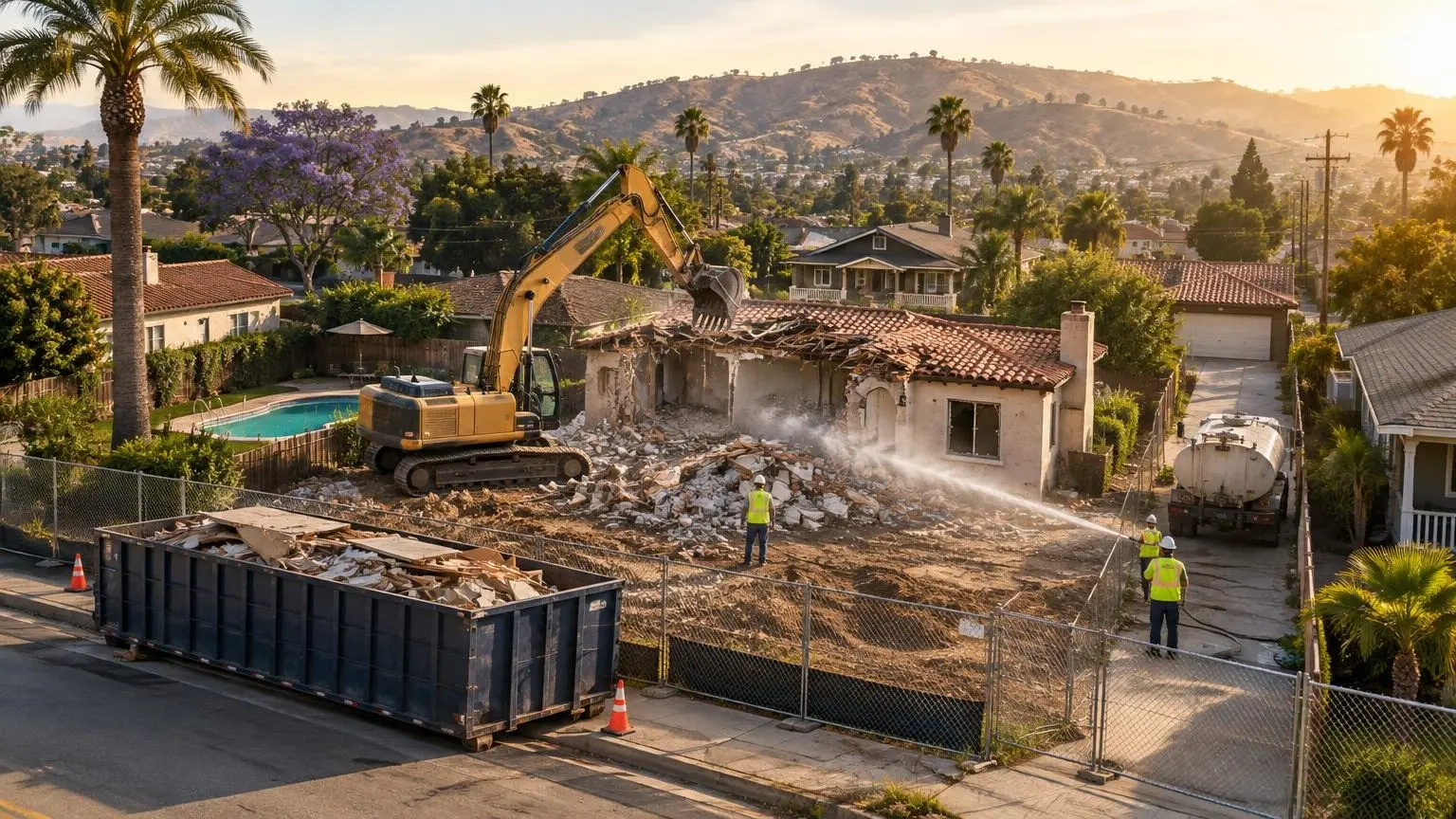
Back to the studs, nothing extra
Interior Demolition in Los Angeles, CA
Selective and full gut-out demolition for remodels, with dust control, protected finishes and a clean shell for your builder.
- Free walk-through and written, itemized estimate
- Asbestos survey, air district notice and utility cut-offs sequenced before demolition
- Concrete, metal and wood separated for recycling
Clearing the Inside for a Remodel
Interior demolition is the careful kind. Instead of taking a whole building down, we remove exactly what your remodel needs gone, such as cabinets, tile, drywall, plaster, flooring, ceilings or non-bearing walls, and leave the structure, the rest of the house and often the occupants undisturbed. Los Angeles homeowners, general contractors and designers bring us in at the start of kitchen and bath remodels, whole-house renovations and ADU conversions, so their trades walk into a clean, open shell.
Selective demolition versus a full gut
Selective demolition targets one room or one system: a kitchen down to the studs, a bathroom including the tub and tile, a wall being opened between two rooms, or flooring being taken up through a level. Everything outside the work area is sealed off and protected.
A full gut takes the interior of a house or unit down to framing and subfloor or slab. It is common when a house needs new wiring, plumbing and insulation throughout, or when an older building is being converted to a new layout.
Either way, we do not cut structural members unless your engineer or builder has marked them and a permit covers the change. Bearing walls, posts and beams stay until there is a plan to support the load.
Older Los Angeles houses and hidden materials
Los Angeles has an old housing stock. Census figures summarized by Point2Homes give 1965 as the median year built for the city's homes. About 19 percent were built in 1939 or earlier, and roughly 70 percent date from before 1980. That means many kitchens and baths we open up have been remodeled two or three times, with layers of tile, mortar beds, plaster over lath, and older wiring and plumbing behind them.
Before we open walls or pull flooring in an older home, we look at what is likely to be there and, when needed, have materials tested. Popcorn ceilings, old sheet vinyl and its mastic, pipe wrap, and some plaster and joint compound can contain asbestos, and painted trim and walls in older homes can contain lead. Any material that tests positive is handled by certified abatement before demolition in that area.
Keeping the rest of the house livable
Many interior jobs happen while the owners are still living in part of the home. We set up plastic containment and zip doors around the work area, cover floors along the path to the exit, and run negative-air machines with HEPA filters when the work creates heavy dust. Debris goes out in covered carts or bags, not through the living room. We cap plumbing and make electrical safe at the panel before removing fixtures, so the rest of the house keeps its water and power.
What your builder walks into
When we finish, the work area is cleared to the agreed depth, nails and screws are pulled or flattened, openings are clean, and debris is gone from the site. If something unexpected turns up, like termite damage, rot, an old leak or knob-and-tube wiring, we stop, photograph it and tell you and your builder before going further. Call (213) 377-6198 to describe the remodel and when your trades are scheduled.
Interior Work We Handle
Remove only what the remodel calls for, and protect everything else.
Kitchen tear-outs
Cabinets, counters, backsplash, appliances, soffits and flooring, down to studs if needed.
Bathroom demolition
Tubs, showers, tile, vanities, toilets and subfloor, with plumbing capped.
Wall and ceiling removal
Non-bearing walls, drywall, lath and plaster, and dropped ceilings taken out.
Flooring removal
Tile, hardwood, carpet, vinyl and mortar beds removed and the subfloor scraped clean.
Whole-house gut-outs
Full interiors taken to framing for major renovations and conversions.
Garage and ADU conversions
Interior strip-outs to prepare garages and accessory spaces for conversion.
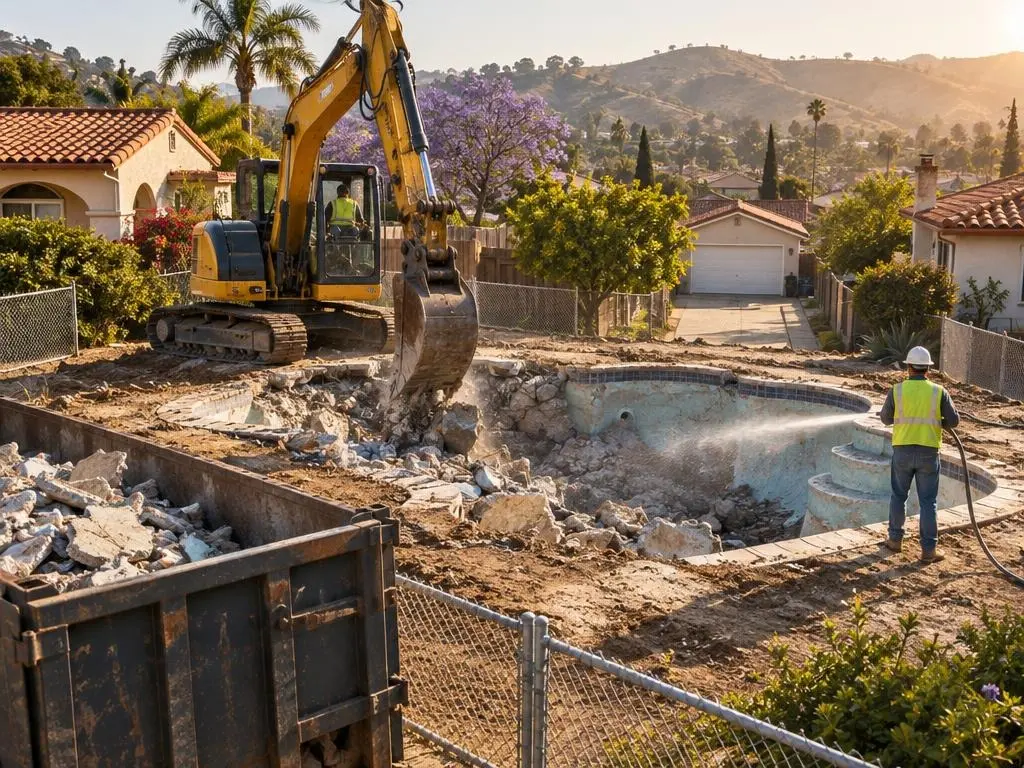
Typical Interior Demolition Costs
| Job | Typical range |
|---|---|
| Interior demolition, per sq ft | $2 to $10 |
| Kitchen | $500 to $3,000 |
| Bathroom | $1,000 to $2,300 |
| Non-bearing wall removal | $300 to $1,000 |
| Flooring removal, per sq ft | $2 to $5 |
| Whole-house gut to the studs | $2,000 to $20,000 |
| Asbestos removal | $1,200 to $3,000 |
Per-square-foot, flooring and whole-house figures from Fixr's interior demolition cost guide (January 2025); bathroom, wall and asbestos figures from HomeAdvisor's interior demolition guide (June 2026); both list kitchens at $500 to $3,000. National averages. Your written estimate is the price.
How It Works
1. Walk the space
We go room by room with you or your builder and mark what comes out and what stays.
2. Test and protect
Suspect materials tested where needed, then containment, floor protection and utility caps set up.
3. Demolition
Hand and small-tool demolition to the agreed depth, with debris bagged and carted out.
4. Clean shell
Area cleared, swept and ready for framing, plumbing and electrical.
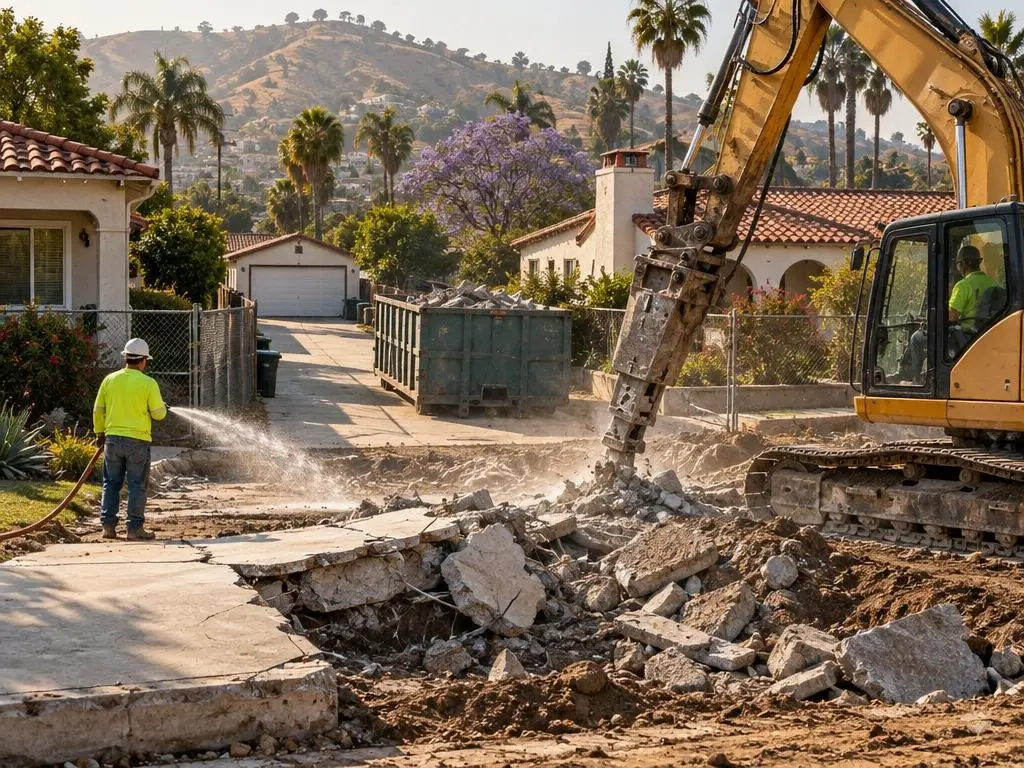
Why Choose Us for Interior Demolition
Stop and call
Hidden damage is photographed and reported before we keep going.
Contained work area
Plastic containment and covered paths keep dust where the work is.
Interior Demolition Questions
How much does interior demolition cost?
Fixr's interior demolition guide gives a national range of $2 to $10 a square foot, and both Fixr and HomeAdvisor list kitchen demolition at $500 to $3,000. A full gut of a house to the studs runs about $2,000 to $20,000. Hidden asbestos, plaster walls and tight access raise the cost, and the written estimate is your price.
Do I need a permit for interior demolition?
Cosmetic removal such as cabinets, flooring and tile generally rides on the remodel permit your builder pulls, if one is needed at all. Removing walls, changing structure, or altering plumbing and electrical requires a permit from LADBS in the city of Los Angeles. We coordinate with your builder so demolition only goes as far as the permit allows.
Can you remove a wall to open up my kitchen?
If the wall is non-bearing, yes, and it is a common part of our kitchen work. If it carries roof or floor loads, an engineer needs to design a beam and the change needs a permit before the wall comes out. We can point out the clues that a wall is bearing during the walk-through.
Can I stay in the house during interior demolition?
Often yes, for a kitchen or bathroom. We seal the work area, protect the path out, and keep water and power running to the rest of the house. For a full gut, the home usually is not livable until the trades are done.
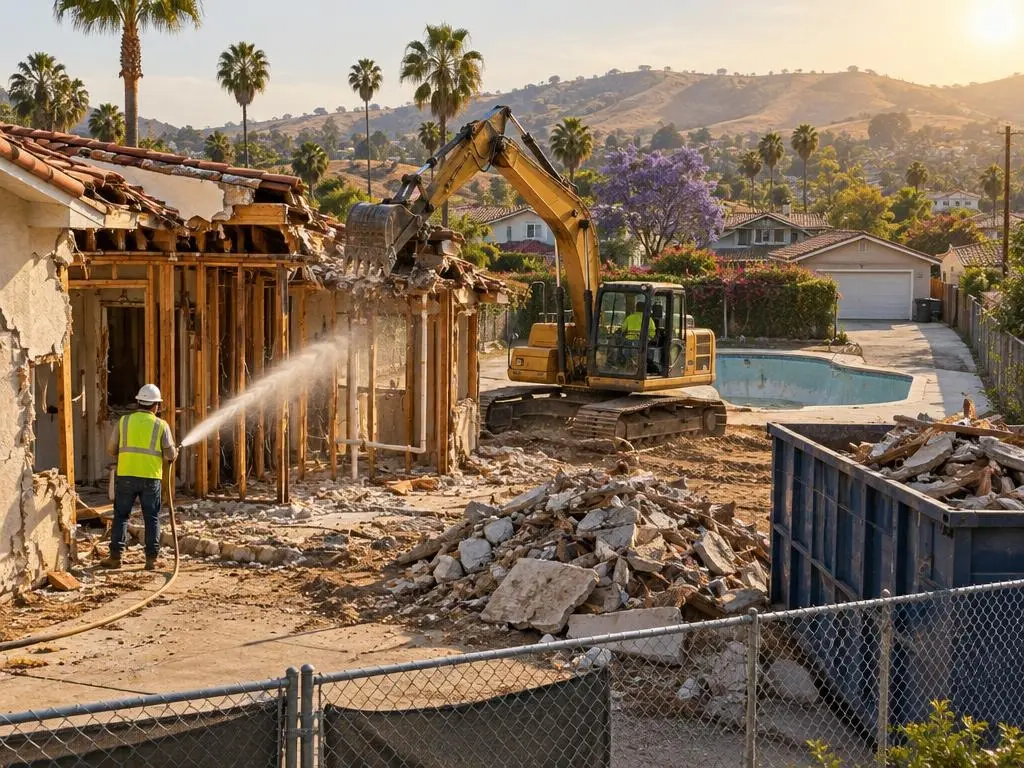
Interior Demolition Service Areas
- Demolition Contractors in Los Angeles, CA
- Demolition Contractors in Long Beach, CA
- Demolition Contractors in Glendale, CA
- Demolition Contractors in Pasadena, CA
- Demolition Contractors in Torrance, CA
- Demolition Contractors in Burbank, CA
- Demolition Contractors in Inglewood, CA
- Demolition Contractors in Downey, CA
- Demolition Contractors in West Covina, CA
- Demolition Contractors in El Monte, CA
- Demolition Contractors in Norwalk, CA
- Demolition Contractors in Compton, CA
- Demolition Contractors in Carson, CA
- Demolition Contractors in South Gate, CA
- Demolition Contractors in Santa Monica, CA
- Demolition Contractors in Whittier, CA
- Demolition Contractors in Hawthorne, CA
- Demolition Contractors in Alhambra, CA
- Demolition Contractors in Lakewood, CA
- Demolition Contractors in Redondo Beach, CA
- Demolition Contractors in Gardena, CA
- Demolition Contractors in Arcadia, CA
- Demolition Contractors in Altadena, CA
- Demolition Contractors in Culver City, CA
- Demolition Contractors in West Hollywood, CA
- Demolition Contractors in Manhattan Beach, CA
- Demolition Contractors in Beverly Hills, CA
Get an Interior Demolition Estimate
Describe the remodel and your trade schedule, and we will price the demolition in writing.